H1N1 Virus (Swine Flu): Causes, Spread, Symptoms, Prevention and Treatment
H1N1 virus (swine Flu)
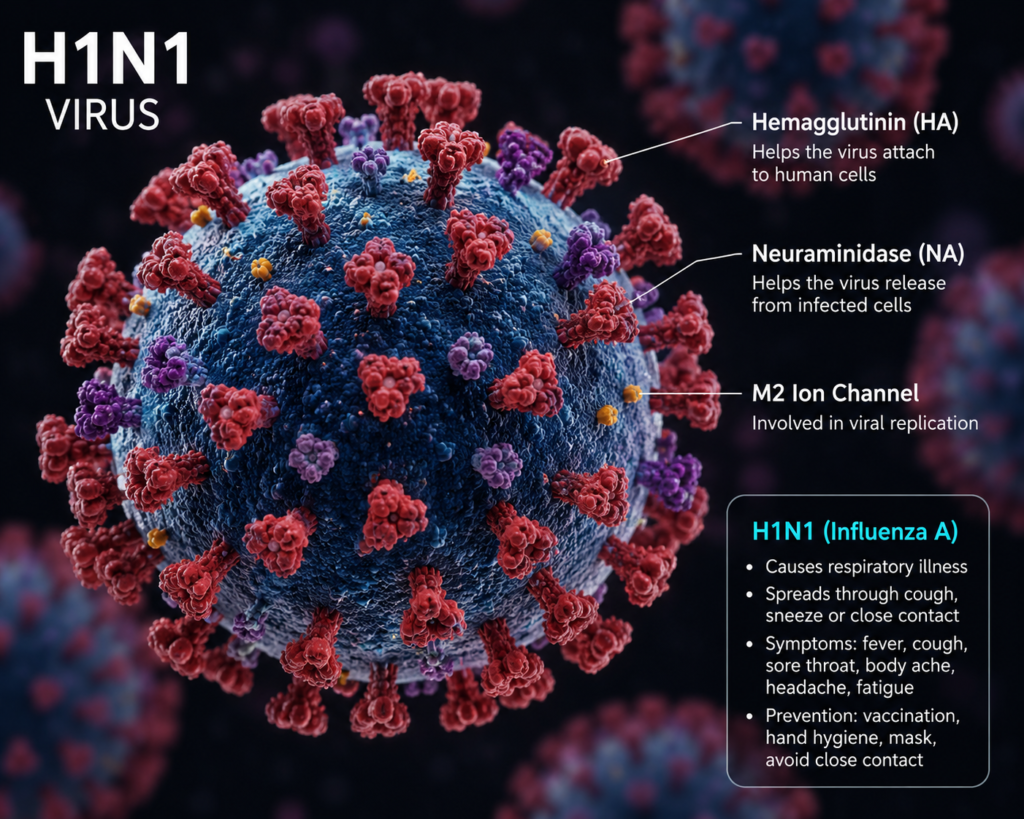
H1N1 is a subtype of Influenza A virus that causes respiratory infection in humans. The H1N1 strain became widely known during the 2009 influenza pandemic. Today, A(H1N1)pdm09 is one of the influenza A viruses that continues to circulate as part of seasonal influenza.
Causes of H1N1 Infection
H1N1 infection is caused by the Influenza A(H1N1) virus. Influenza viruses continually change over time, which is why seasonal influenza vaccines are regularly updated. The H1N1 virus circulating in humans today is generally referred to as A(H1N1)pdm09 because it was responsible for the 2009 pandemic.
People are more likely to develop serious complications if they are very young, older adults, pregnant, immunocompromised or have certain chronic medical conditions.
How Does H1N1 Spread?
H1N1 spreads mainly from person to person through respiratory particles released when an infected individual coughs, sneezes or talks. People nearby can inhale these particles and become infected. The virus can also spread through contaminated hands and surfaces when a person touches them and then touches their eyes, nose or mouth.
The infection can spread rapidly in crowded environments such as schools, workplaces, public transport and other indoor settings. Staying home when sick and avoiding close contact with others can help reduce transmission.
Prevention of H1N1
The most effective way to reduce the risk of influenza is annual influenza vaccination. Vaccination is particularly important for people at higher risk of complications and healthcare workers.
Other preventive measures include:
- Wash hands regularly with soap and water or use an alcohol-based hand sanitizer.
- Cover your mouth and nose with a tissue or your elbow when coughing or sneezing.
- Avoid touching your eyes, nose and mouth with unwashed hands.
- Avoid close contact with people who are sick.
- Stay home when experiencing flu-like symptoms.
- Improve ventilation in crowded indoor spaces.
- Follow local public-health advice during influenza outbreaks.
Treatment for H1N1
Treatment depends on the severity of illness and the person’s risk factors. Most people with mild influenza recover with adequate rest, fluids and treatment of symptoms such as fever. People who are at high risk of complications or have severe symptoms should contact a healthcare professional promptly.
Antiviral medicines may be recommended for people with severe influenza or those at increased risk of complications. They work best when started early, and WHO notes that treatment should be initiated as soon as possible in high-risk patients. In India, WHO notes that antivirals given early, ideally within 48 hours of symptom onset, may reduce severe complications and deaths.
Antibiotics do not treat H1N1 because H1N1 is caused by a virus. Antibiotics may only be prescribed when a healthcare professional identifies a bacterial infection or complication.
Conclusion
H1N1 is a contagious Influenza A virus that spreads primarily through respiratory particles and close contact. Although most infections are mild, complications can occur, especially in vulnerable individuals. Annual influenza vaccination, good hand hygiene, respiratory etiquette, avoiding close contact while sick and timely medical care are important measures for preventing and managing H1N1 infection.
About The Author